

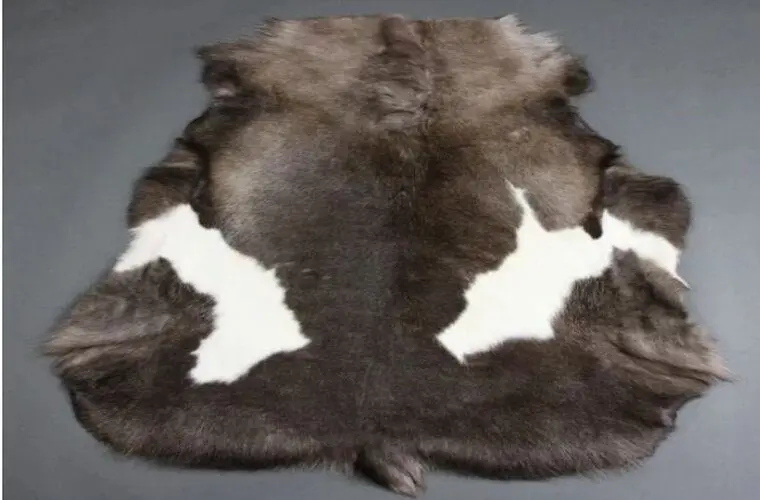
Reindeer hide rugs are a stunning addition to any home — there's simply nothing else like them for warmth, texture, and natural character. But it's a fair and important question to ask before buying one: are reindeer rugs actually ethical?
It's a question we get often, and the honest answer is: it depends entirely on where you buy from. Genuine reindeer hides, sourced through established and regulated routes, are one of the most ethical natural floor coverings you can buy. Cheap, unverified imports from unknown sources are a different matter altogether. In this guide, I'll walk you through exactly how reindeer hides are sourced, why they're considered an ethical product, and what to look for when choosing a reputable supplier.
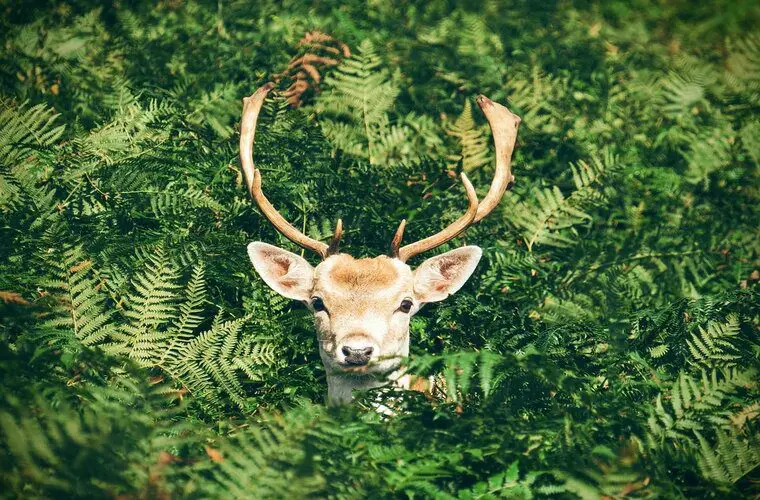
Reindeer Hides Are a By-Product of the Meat Industry
The single most important thing to understand about reindeer hides is that no reindeer is ever killed for its skin alone. Every genuine reindeer hide rug originates as a by-product of the established Scandinavian and Nordic meat industry.
Reindeer are farmed primarily for their meat across Finland, Sweden, Norway, and parts of northern Russia. While reindeer meat is rarely seen in UK supermarkets, it's a cornerstone of Nordic cuisine — used in much the same way we use beef, pork, or lamb here in Britain. It appears in:
- Traditional Finnish and Swedish meatballs
- Reindeer sausages and cured meats
- Slow-cooked stews and steaks
- Smoked and dried preserved meats
Reindeer are, in fact, one of the only large grazing animals that can thrive in the harsh Arctic conditions of the far north. For the communities who farm and herd them — most notably the indigenous Sámi people of northern Scandinavia — reindeer husbandry has been central to their livelihood, culture, and food security for thousands of years.
The hides come into being only after the animal has been processed for meat. Using the skin to create reindeer hide rugs means nothing of the animal is wasted — which brings us neatly to the next point.
Waste Reduction: A Genuinely Sustainable Use of Resources
If reindeer are being raised and slaughtered for meat regardless, the question becomes: what happens to the rest of the animal?
Historically, every part of a reindeer was used — meat for food, antlers for tools, bones for implements, and the hide for clothing, shelter, and bedding. Nothing was wasted, because in Arctic conditions, waste was a luxury no one could afford. Modern reindeer hide rugs are a continuation of that same principle.
Without the rug industry, reindeer hides would largely go to waste — a genuinely valuable, durable, naturally insulating material discarded simply because there was no market for it. By transforming the hide into a long-lasting home furnishing, we extend the value of the animal and reduce overall waste from the meat industry.
A well-cared-for reindeer hide rug can easily last 10 to 15 years, often longer — a genuinely sustainable product that's natural, durable, biodegradable at end of life, and made from a material that would otherwise be discarded.

How Reindeer Are Raised: Semi-Domesticated and Free-Roaming
Another reason reindeer hides sit at the more ethical end of the animal product spectrum is the way reindeer are raised. Unlike intensively farmed cattle or pigs, reindeer are semi-domesticated rather than fully domesticated.
What does that mean in practice?
- Reindeer roam freely across vast areas of natural pastureland
- They're herded and managed by farmers, but not confined to barns or feedlots
- Their diet is largely natural — lichens, mosses, grasses, and shrubs
- They live in conditions that closely resemble their wild state
- Herds follow traditional seasonal grazing patterns, often unchanged for centuries
This is a world away from the industrial farming most consumers (rightly) have concerns about. Reindeer farming is more akin to upland sheep farming in Scotland or Wales — extensive, low-density, and worked in harmony with the natural landscape. For the Sámi and other Arctic herding communities, the welfare of the herd is also a matter of cultural pride and economic survival; mistreated animals would simply not survive the conditions or produce quality meat and hides.
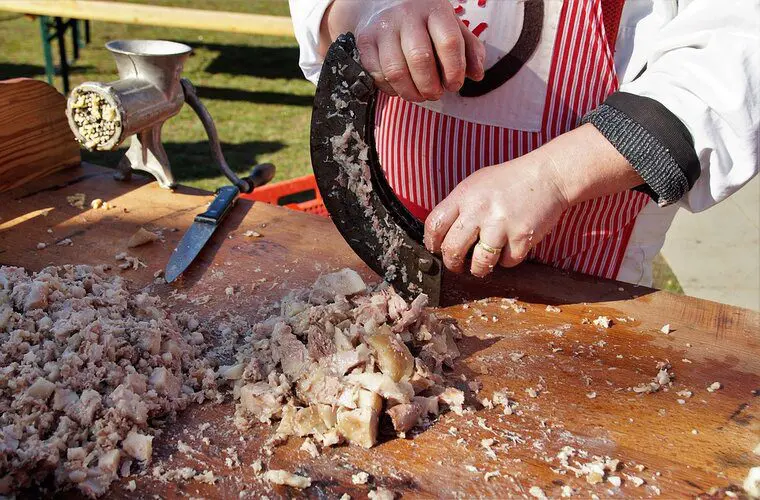
Humane and Regulated Slaughter Practices
Reindeer farming in Scandinavia is heavily regulated. Finland, Sweden, and Norway all have stringent animal welfare laws governing how reindeer are raised, transported, and slaughtered — broadly equivalent to (and in many areas exceeding) UK standards.
At Hide Rugs, we only source from suppliers who can guarantee:
- Compliance with EU and national animal welfare regulations
- Humane slaughter practices carried out at licensed facilities
- Regular independent inspections of farms and processing operations
- Full traceability from source herd through to finished hide
- Sustainable herd management that protects long-term population health
This isn't a tickbox exercise — it's the foundation of how the entire Nordic reindeer industry operates. The EU's animal welfare framework applies to reindeer slaughter just as it does to any other livestock, and Scandinavian countries have a long-established culture of taking these standards seriously.
So, are reindeer rugs ethical? When sourced properly, yes — and arguably more so than many of the synthetic and mass-produced alternatives that surround us in modern homes. They're a by-product of an established food industry, sourced from semi-wild animals raised in their natural environment, processed under strict welfare regulations, and crafted into a long-lasting natural product that genuinely earns its place in a home.
If you'd like to read more about the broader sustainability picture, our companion article on whether reindeer rugs are eco-friendly and ethical goes into more depth on the environmental side of things. You can also browse our full collection of ethically sourced reindeer hide rugs, or find answers to common questions on our reindeer rugs FAQ page.